VA benefits and other help paying for senior care in North Carolina
By Rod Burnett · Updated 2026-07-27
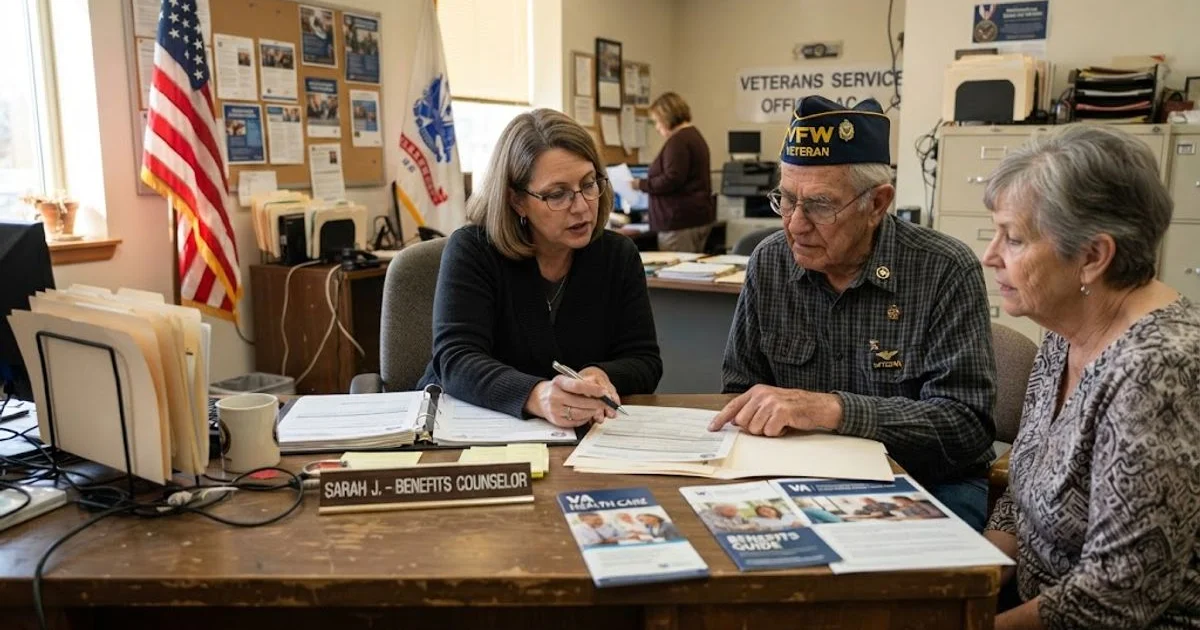
Veterans and their surviving spouses have access to a benefit that many families don’t know exists until well after they’ve started paying privately for assisted living. VA Aid and Attendance can meaningfully offset the cost of senior care, and it’s worth checking eligibility early rather than assuming it doesn’t apply. This is general information, not financial or legal advice; a VA-accredited benefits counselor can confirm specifics for an individual situation.
What Aid and Attendance actually covers
Aid and Attendance is a monthly benefit added on top of a veteran’s basic VA pension, specifically for veterans or surviving spouses who need help with daily activities like bathing, dressing, eating, or managing medications, whether that help happens at home, in assisted living, or in a nursing facility. Unlike a program tied to a specific disability, this benefit is based on financial need and a documented need for assistance, which means it’s relevant to a much broader group of veterans than many families initially assume.
Who typically qualifies
Eligibility generally requires:
- Wartime service. The veteran served at least one day during a VA-recognized wartime period, though not necessarily in combat.
- Minimum active duty requirements, with some exceptions depending on when the service occurred.
- A documented need for assistance, verified through a physician’s statement describing the need for help with daily activities.
- Financial eligibility, based on income and net worth limits that account for medical expenses, including facility costs, which can significantly reduce countable income.
Surviving spouses of veterans who meet these service requirements can also qualify, provided the marriage meets VA criteria.
How this fits alongside other funding sources
| Funding source | What it covers | Who it’s for |
|---|---|---|
| VA Aid and Attendance | Added monthly benefit toward care costs | Wartime veterans and eligible surviving spouses |
| NC Medicaid waiver | Personal care services | Residents meeting financial and medical eligibility |
| Long-term care insurance | Varies by policy | Policyholders who purchased coverage earlier |
| Private pay | Full cost until other funding is approved | Anyone, while other applications are pending |
Aid and Attendance can be combined with other funding sources in many cases, so it’s worth exploring alongside, not instead of, options like Medicaid.
One common misconception worth clearing up: Aid and Attendance is separate from VA disability compensation, and a veteran doesn’t need a service-connected injury to qualify. Some families assume a parent who served without seeing combat or without a documented service-related disability isn’t eligible, and skip the application entirely as a result. The eligibility test here is about wartime service dates, financial need, and a current need for daily assistance, not the nature of the veteran’s service itself.
Starting the application
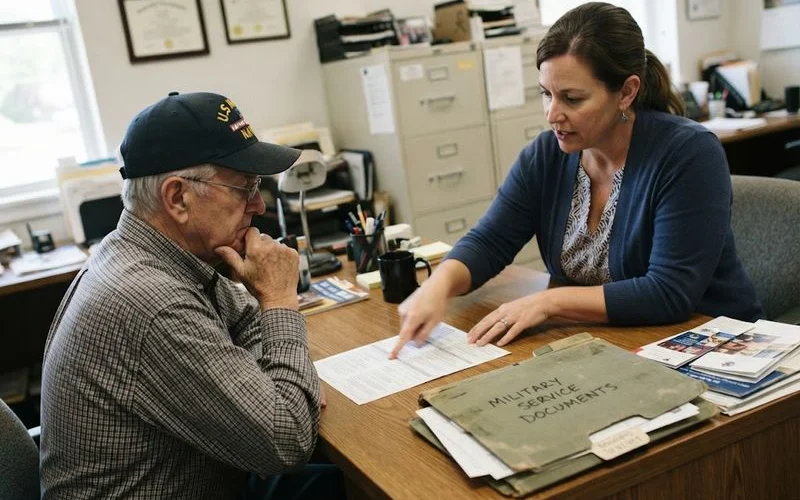
The application process involves submitting documentation of service history (typically a DD-214), financial records, and a physician’s statement describing the need for assistance. Because the process can take several months, starting it as early as possible, even before a facility is chosen, helps avoid a gap between when care is needed and when funding arrives.
A VA-accredited benefits counselor, often available through veterans service organizations at no cost, can help walk through the application and avoid common errors that slow processing. Some elder law attorneys also specialize in this area, particularly for more complex financial situations.
Other help worth exploring
Beyond VA benefits, some veterans may also be eligible for state veteran programs or nonprofit organizations focused specifically on senior veterans’ needs. Asking a facility’s admissions staff whether they have experience working with VA-funded residents can also be useful, since some facilities are more familiar with the paperwork and timeline than others. A free senior living placement service can also help narrow down facilities experienced with VA-funded residents, at no cost to your family.
Finding a facility
Our Charlotte assisted living directory lists facilities across the metro area, and our methodology explains how those listings are evaluated and scored. When you’re comparing options, it’s reasonable to ask directly whether a facility has residents currently using VA Aid and Attendance, since that experience can make the funding transition smoother.
FAQ
- What is VA Aid and Attendance?
- Aid and Attendance is a monthly benefit added on top of a veteran's or surviving spouse's basic pension, meant to help pay for the cost of needing daily help with activities like bathing, dressing, or eating, whether at home or in a facility.
- Does a veteran need a service-connected disability to qualify?
- No. Aid and Attendance is based on wartime service, financial need, and a documented need for daily assistance, not a disability connected specifically to military service. Regular VA disability compensation is a separate program.
- Can a surviving spouse of a veteran receive this benefit?
- Yes, if the veteran served during a qualifying wartime period and the marriage meets VA requirements, a surviving spouse can apply for Aid and Attendance as a survivor benefit.
- How long does the VA application process typically take?
- Processing time varies, but it commonly takes several months. Applying as early as possible, ideally before funds are fully needed, helps avoid a financial gap while the application is pending.