Moving into a retirement community: what the transition looks like
By Rod Burnett · Updated 2026-07-15
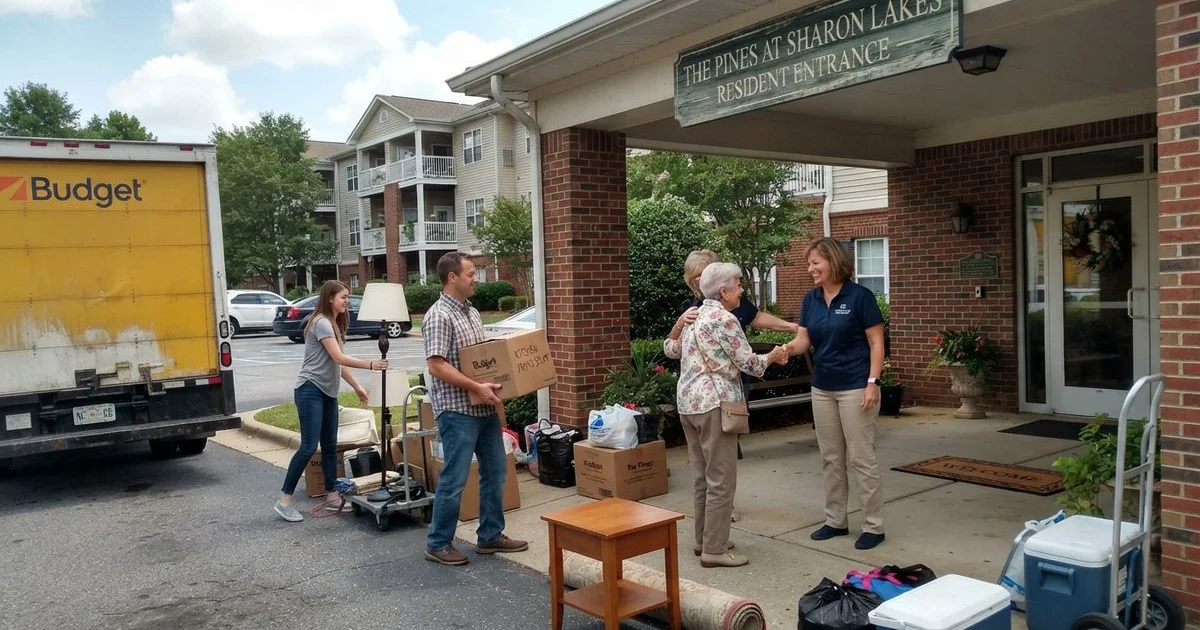
Moving into a retirement community is as much a lifestyle change as it is a change of address, and the practical and emotional pieces of that transition deserve equal attention. Here’s what the process typically looks like from the first decision through the first few months.
Deciding it’s the right move
People move into retirement communities for a mix of reasons: tired of home maintenance and yard work, wanting more built-in social connection, or simply preferring the security of a community setting as they age. It’s rarely one single trigger. A useful gut-check is whether the current home is adding stress rather than comfort, whether isolation has become a real concern, and whether a change now, on your own terms, sounds better than a change later, forced by a health event. If a health event already forced the timeline, our guide on moving a parent into assisted living after a hospital stay covers that faster-moving version of the process.
The typical timeline
- Research and tours (2-6 months out). Visit a handful of communities, ask about amenities, meal plans, and monthly costs, and get a real feel for the community culture, not just the amenities list.
- Application and waitlist, if applicable (varies). Popular communities can have a waitlist, so applying early matters even if the move itself is still months away.
- Downsizing and home sale (2-4 months). This is usually the longest and most emotionally loaded step. Sorting decades of belongings takes real time, and rushing it tends to create more stress, not less.
- Move-in logistics (final weeks). Coordinating movers, utility transfers, and mail forwarding, ideally scheduled with some buffer rather than back-to-back with the home closing.
- Settling in (first 1-3 months). Learning the community’s rhythm, meeting neighbors, and finding a personal routine within the new setting.
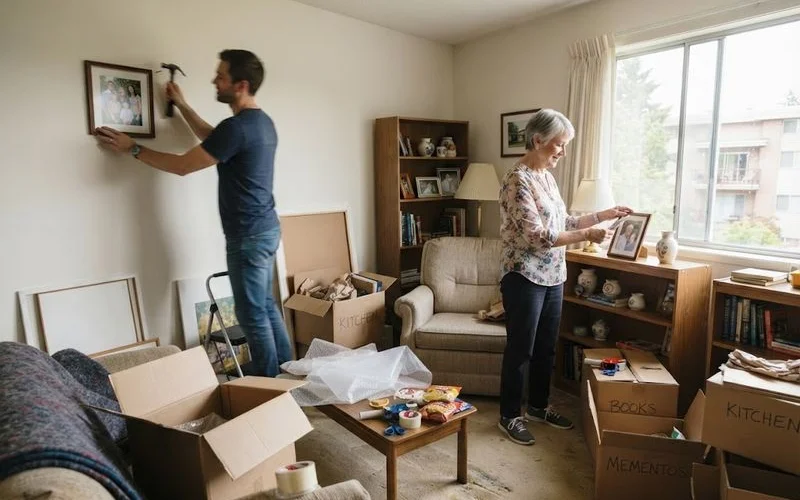
Handling the downsizing step
This is often the part people underestimate. Moving from a house with decades of accumulated belongings into a smaller apartment or cottage means real decisions about what stays, what goes to family, what gets sold, and what gets donated. A few approaches that tend to reduce the stress:
- Start with categories that are easiest emotionally, like kitchen items or duplicate furniture, before tackling sentimental belongings like photos or heirlooms.
- Measure the new space early so decisions about furniture are based on what will actually fit, not guesswork.
- Consider a senior move manager, a professional who specializes in this exact transition, if the scale of the task feels overwhelming for the family to handle alone.
- Give yourself permission to let some things go without a full accounting of every item. Perfect sorting isn’t the goal; a manageable, less stressful move is.
What changes and what stays the same
| Often changes | Often stays the same |
|---|---|
| Home maintenance responsibilities | Personal daily routine and hobbies |
| Amount of living space | Relationships with existing friends and family, with visits |
| Meal preparation, if a meal plan is included | Level of independence, for most residents |
| Social opportunities, usually expanding | Personal furniture and decor, within the smaller footprint |
Settling into the new routine
Most residents report the adjustment period runs somewhere between one and three months before the new setting starts to feel like home rather than a temporary stop. Getting involved early, joining a meal seating with other residents, attending a scheduled activity, or introducing yourself to a neighbor, tends to speed that process up. It’s normal for the first few weeks to feel like an adjustment rather than a settled routine, and that’s not a sign the move was the wrong choice.
Choosing a community
Retirement communities in the Charlotte area vary in size, amenities, and overall feel, so visiting more than one before deciding is worth the time. Our retirement homes in Charlotte hub is a good starting point for comparing options across the metro area. For a broader look at how we score and verify the facilities in this directory, see our methodology, and browse the full list from our home page.
FAQ
- How far in advance should someone plan a move to a retirement community?
- Most housing counselors and community admissions staff suggest starting the process six months to a year ahead, mostly to allow time for downsizing, selling a home if needed, and getting on a waitlist for a preferred community.
- What's the difference between a retirement community and assisted living?
- Retirement communities generally serve independent seniors who want less home maintenance and more social opportunity, without daily hands-on care. Assisted living adds staff support for daily tasks like bathing, dressing, or medication management.
- What should I do with furniture and belongings that won't fit?
- Common options include selling through an estate sale, donating to a local charity, or offering items to family members before the move. Many retirement communities can also recommend local senior move managers who specialize in this exact process.
- How long does it usually take to feel settled after moving in?
- Most residents describe feeling meaningfully more comfortable within one to three months, as routines form and social connections develop within the community.