Respite care after surgery: a short-term option while you plan next steps
By Rod Burnett · Updated 2026-07-16
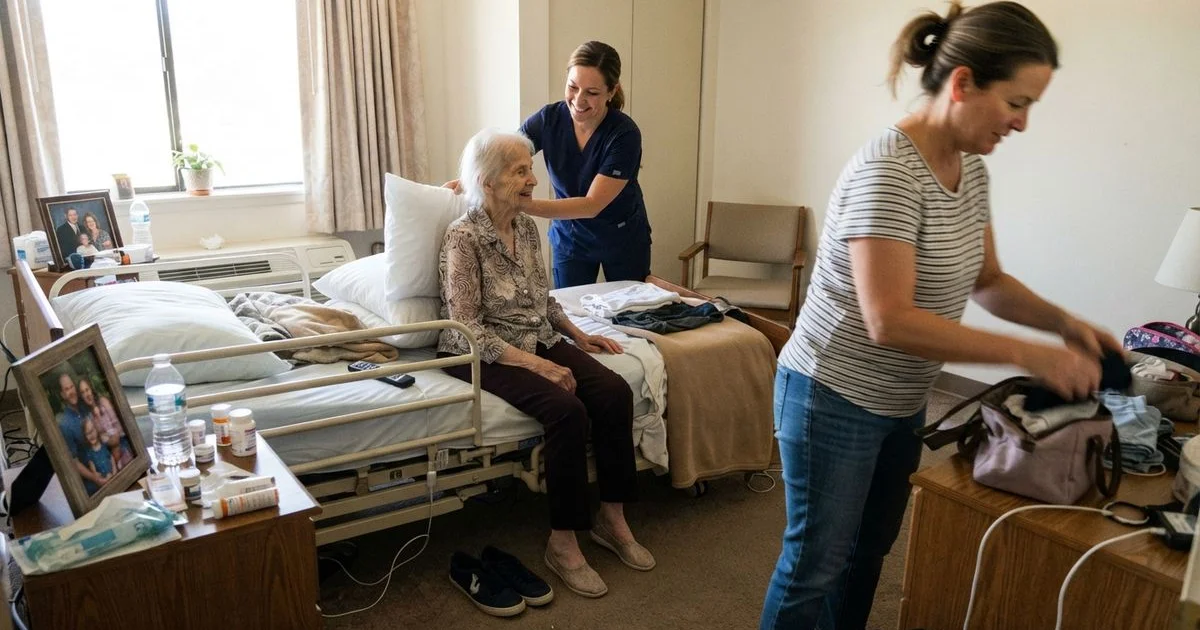
Recovering from surgery isn’t always something that can happen safely at home right away, especially for someone who lives alone or whose usual caregiver can’t provide round-the-clock support during the recovery window. A short-term respite stay bridges that gap, and it’s worth understanding how it works before you’re arranging it under time pressure.
What a respite stay actually provides
A respite stay is a temporary residential placement, typically in an assisted living facility or a dedicated respite unit, offering meals, personal care support, medication management, and supervision for a defined period. It’s built for situations that are real but not permanent: recovering from surgery, giving a family caregiver a planned break, or providing a trial period before a longer-term care decision.
Unlike skilled nursing, respite care in an assisted living setting doesn’t typically include intensive medical treatment like wound care requiring a nurse or IV therapy. If post-surgical recovery involves that level of medical need, a short-term stay in a skilled nursing facility, rather than assisted living respite care, is usually the better fit. Ask directly about the medical needs involved before booking to make sure the setting matches what recovery actually requires.
Respite care also gets used outside of surgery recovery. A family caregiver planning a vacation, dealing with a personal medical issue of their own, or simply needing a scheduled break from full-time caregiving duties can book a respite stay in advance rather than waiting for an emergency to force the issue. Some families also use a respite stay as a low-pressure trial run, letting a parent experience a facility firsthand before committing to a permanent move.
How to arrange it quickly
- Call facilities as soon as surgery is scheduled, if possible, rather than waiting until discharge day. Bed availability for respite stays can be tight, and planning ahead gives more options.
- Confirm the level of care the facility can provide against the specific recovery needs: mobility assistance, medication reminders, wound checks, or dietary restrictions.
- Ask about cost and payment upfront. Respite stays are usually billed daily, and most are private pay unless a Medicare-qualifying skilled nursing stay is involved.
- Provide a clear recovery and discharge plan to the facility, including any physical therapy appointments, follow-up visits, or medication changes expected during the stay.
- Arrange transportation for move-in and any outside medical appointments during the stay, since not all facilities provide this.
What it typically costs
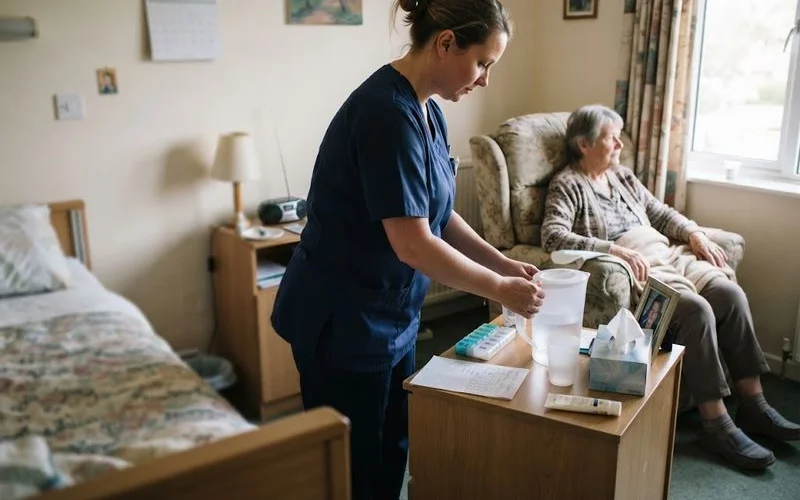
Respite stays are generally billed per day, with the daily rate depending on the level of care needed. Basic assistance runs lower than a stay requiring more intensive support or memory care-level supervision. Because pricing varies by facility and care level, it’s worth getting a specific daily rate quote rather than assuming a flat number applies across the board.
| Stay length | Common use case |
|---|---|
| A few days to a week | Short recovery from a minor procedure, or emergency caregiver relief |
| One to two weeks | Recovery from a larger surgery, like a joint replacement |
| Two to four weeks | Extended recovery, or a trial period before a longer-term decision |
When respite care leads to a longer-term decision
Sometimes a respite stay reveals that returning home safely isn’t realistic, whether because recovery is slower than expected or because the stay surfaces other care needs that weren’t obvious before. This isn’t a failure of the plan. If that happens, ask the facility whether the respite stay can convert into a longer-term placement, since staying in a now-familiar setting is often easier on a recovering resident than a second move to an unfamiliar one.
Finding a facility
Our respite and short-term care hub lists Charlotte-area facilities that offer this option, which is a practical starting point when you’re working against a hospital discharge date. Call more than one if time allows, since availability and daily rates can differ meaningfully between facilities. For more on how facilities in this directory are evaluated, see our methodology, and browse the broader directory from our home page.
FAQ
- How quickly can respite care be arranged after a hospital discharge?
- Some facilities can accommodate a stay within a day or two if a bed is available, though calling ahead as soon as surgery or discharge is scheduled gives more options and avoids a last-minute scramble.
- Does insurance or Medicare cover a respite stay after surgery?
- It depends on the reason for the stay. If skilled nursing or rehab is medically necessary after a qualifying hospitalization, Medicare may cover a limited period. A respite stay in assisted living for general recovery support is typically private pay.
- How long can a respite stay last?
- Most facilities offer respite stays ranging from a few days to a few weeks, with some allowing extensions if recovery takes longer than expected. Confirm the maximum stay length before booking.
- Can a respite stay turn into a permanent placement if recovery doesn't go as planned?
- Often, yes, if a bed is available and the resident's needs are still within what the facility can provide. Ask about this possibility upfront, since it can simplify things if a return home turns out not to be realistic.