How to choose between independent living, assisted living, memory care and skilled nursing
By Rod Burnett · Updated 2026-07-10
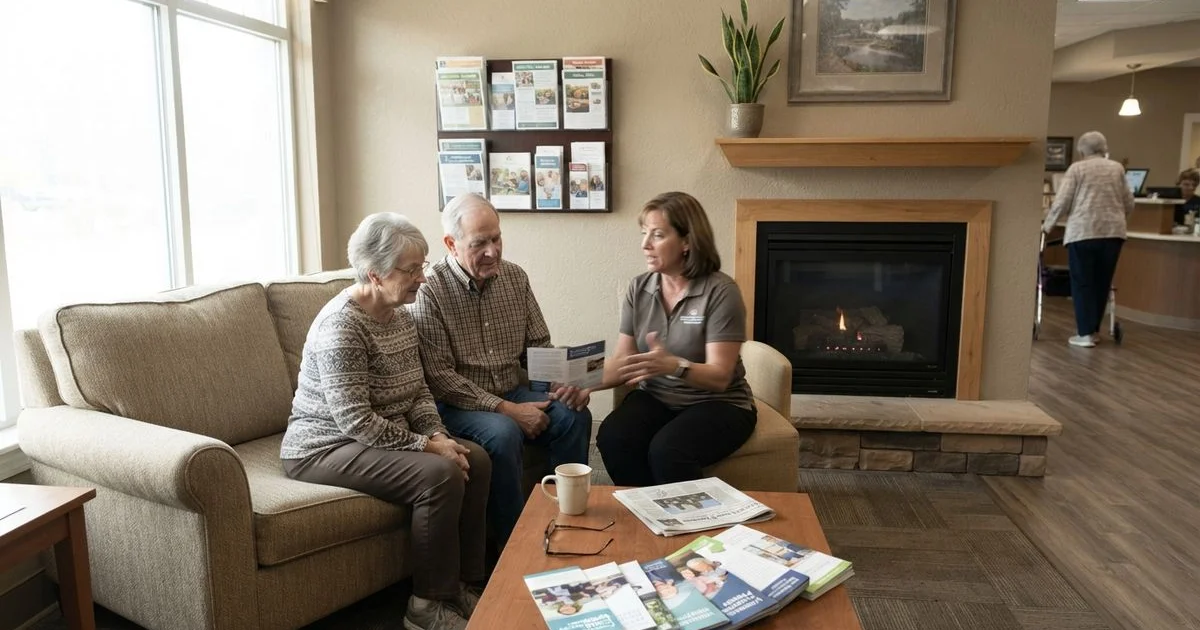
Senior care terminology gets thrown around loosely, and the four main levels genuinely do overlap at the edges. But each one is built around a different kind of need, and picking the wrong starting point usually means a stressful second move later. Here’s how to tell them apart and figure out which one actually fits.
The four levels, side by side
| Level | Who it’s for | What’s included |
|---|---|---|
| Independent living | Active seniors who want less home upkeep, not hands-on care | Housing, meals, social activities, light housekeeping |
| Assisted living | Seniors needing help with daily tasks like bathing or medication | Housing plus personal care staff, meals, supervision |
| Memory care | Residents with dementia or significant cognitive decline | Secured setting, specialized staff training, structured routines |
| Skilled nursing | Medical needs requiring licensed nursing care | Round-the-clock nursing, rehab therapy, medical monitoring |
The jump from independent to assisted living is about physical or daily-task support. The jump to memory care is about safety and cognition, not physical ability alone. The jump to skilled nursing is about medical acuity: it’s the only one of the four that’s licensed as a health care facility first and a residence second.
Start with a level of care assessment, not a guess
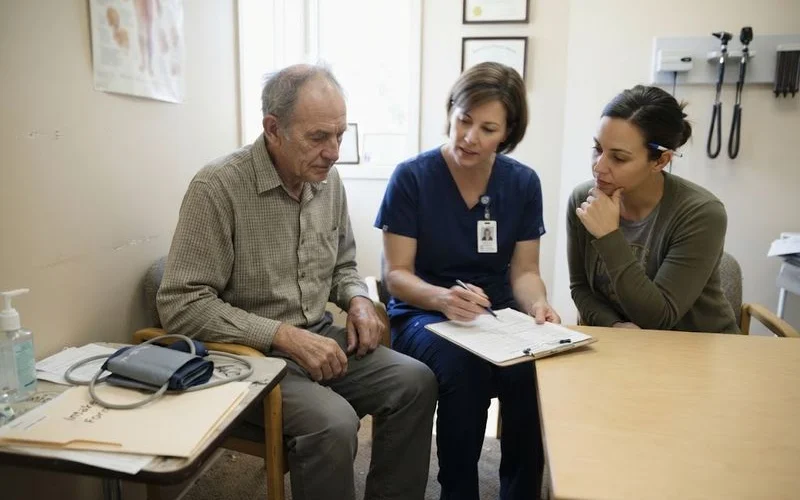
Every reputable facility will conduct or request some version of a level of care assessment before admission, looking at mobility, cognition, medication needs, and ability to manage daily activities independently. This assessment does two things: it protects the resident by making sure the setting actually matches their needs, and it sets the price, since higher care levels almost always cost more.
If you’re early in the process, you don’t need a formal assessment to start narrowing things down. Ask honestly:
- Can this person manage medications, meals, and hygiene largely on their own, or do they need daily help?
- Is there confusion about time, place, or people that creates a safety risk, like leaving the stove on or wandering off?
- Are there medical needs, like wound care or IV medication, that require a licensed nurse rather than a personal care aide?
Answering those three questions honestly points toward one of the four levels more clearly than most families expect.
Where people commonly guess wrong
Two mistakes come up often. The first is placing someone in independent living when they actually need daily physical assistance, assuming the community’s staff will informally pick up the slack. Independent living communities generally aren’t staffed for hands-on personal care, and stretching that expectation puts both the resident and the community in a bad spot.
The second is assuming any memory-related confusion automatically means memory care is required. Mild forgetfulness that doesn’t create a safety risk can often be supported in standard assisted living with some added supervision. Memory care becomes necessary when there’s a real risk of wandering, unsafe judgment, or the kind of disorientation that puts someone in danger without a secured environment and specially trained staff.
What continuing care communities solve
Some communities offer more than one level of care on a single campus, letting a resident move from independent living to assisted living, memory care, or skilled nursing without relocating to a new address entirely. This isn’t the right fit for everyone, since these communities often carry a different fee structure and a larger upfront commitment, but for a couple with different or changing needs, staying on one campus as those needs shift is a real advantage worth asking about.
Making the call
There’s rarely a perfect, permanent answer here. Needs change, and a level that fits today may not fit in two years. The more useful question isn’t “which level is right forever,” it’s “which level fits the needs we can see right now, at a place that could support a higher level of care later if needed.” Our Charlotte assisted living directory lists facilities across all four levels, and each listing notes which levels of care it actually provides so you can compare within the category that matches your situation. For details on how those listings are scored, see our methodology.
If you’re still unsure after an honest look at daily needs, a level of care assessment from a facility or a geriatric care manager is worth the time. It replaces a family’s best guess with a professional read on what actually keeps someone safe.
FAQ
- What's the main difference between independent living and assisted living?
- Independent living is housing with amenities and light services for people who don't need daily hands-on help. Assisted living adds staff support for things like bathing, dressing, and medication, for residents who need that level of care.
- Can someone go straight from home to memory care without trying assisted living first?
- Yes, if a level of care assessment shows the person's cognitive and safety needs require the secured setting and specialized staffing that memory care provides, skipping standard assisted living is common and appropriate.
- How do I know if a parent needs skilled nursing instead of assisted living?
- Skilled nursing is for medical needs that require licensed nurses on-site around the clock, such as wound care, IV therapy, or recovery after a serious hospitalization. Assisted living is not staffed for that level of medical care.
- Do people move between these levels over time?
- Often, yes. Many families start in independent or assisted living and move to memory care or skilled nursing later if needs increase, which is one reason continuing care campuses that offer multiple levels on one site are popular.