What to expect when a loved one needs skilled nursing care
By Rod Burnett · Updated 2026-07-13
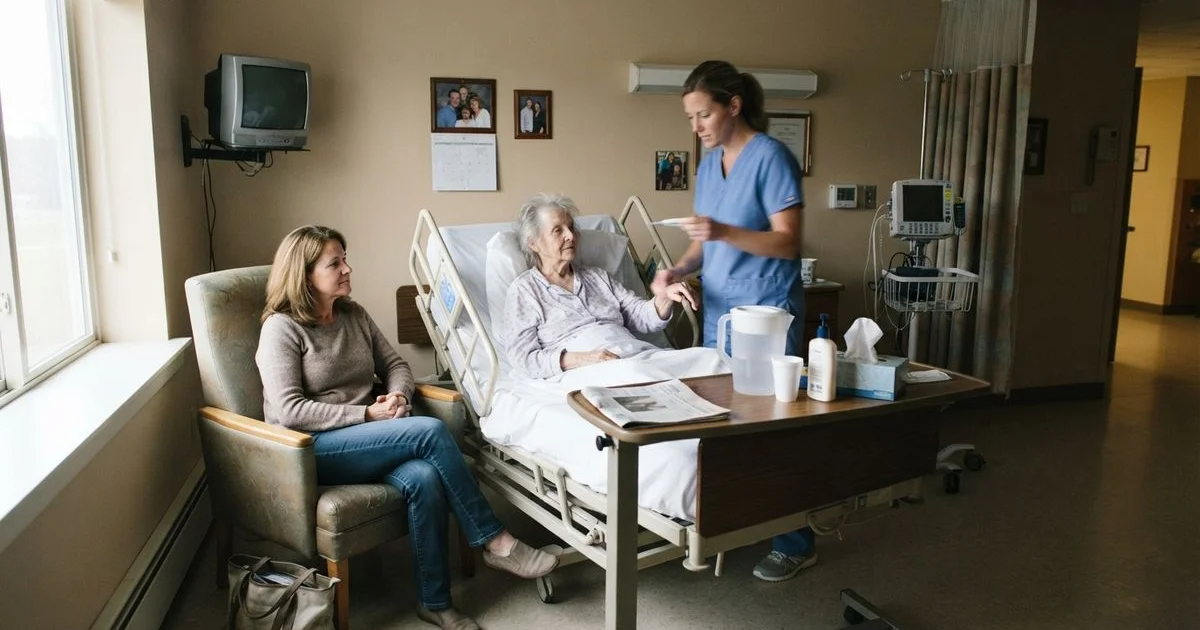
Skilled nursing is the highest level of residential care outside a hospital, and it’s usually the one families know least about going in, because most people don’t need it until a specific medical event forces the decision. Here’s what the process typically looks like from referral to the first few weeks.
How skilled nursing differs from assisted living
The core difference is licensing and staffing. Assisted living is a residential setting with personal care support; skilled nursing is a licensed health care facility with registered nurses and licensed practical nurses on site around the clock, working under a physician’s orders. Skilled nursing facilities handle things assisted living simply isn’t staffed for: wound care, IV medication, tube feeding, post-surgical monitoring, and rehabilitation therapy like physical, occupational, or speech therapy.
Many admissions happen directly from a hospital, when a patient isn’t ready to go home safely but no longer needs acute hospital-level care. Others happen when a chronic condition progresses to the point that a family or an assisted living facility can no longer manage it safely. If you’re still working out which level fits your situation, our guide on choosing between levels of senior care breaks down how all four options compare.
What the admission process looks like
- Referral or direct request. Most often a hospital discharge planner identifies the need and refers to a skilled nursing facility, though a family can also research and choose a facility for a planned admission.
- Medical review. The facility reviews the person’s medical records and current needs to confirm it can provide the required level of care.
- Insurance and payment check. The facility verifies Medicare, Medicaid, or private insurance coverage, and clarifies what portion, if any, the family will be responsible for.
- Admission and care planning. On arrival, a nursing team completes an assessment and builds a care plan covering medications, therapy goals, diet, and any specialized treatment.
- Ongoing care team meetings. Families are typically invited to periodic care conferences where nurses, therapists, and sometimes a physician review progress and adjust the plan.
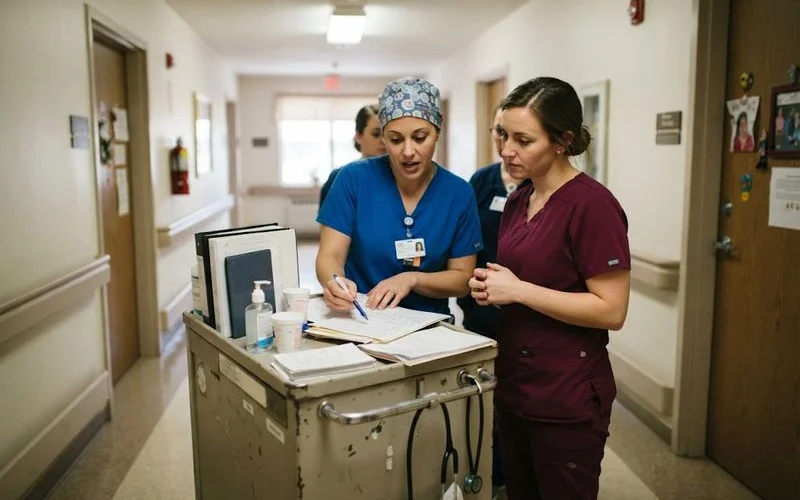
What the first few weeks tend to involve
Expect an adjustment period. A resident recovering from surgery or a serious illness may start with daily therapy sessions aimed at rebuilding strength or mobility, alongside routine medical monitoring. Families are usually encouraged to visit and, where appropriate, sit in on therapy sessions to understand progress and what to expect at discharge if the stay is meant to be short-term.
For a longer-term resident, the first weeks are more about settling into a routine: meals, medication schedules, and getting to know the nursing staff who will be providing daily care. It’s normal for this transition to feel clinical at first compared to a residential assisted living setting, since the environment is built around medical care first.
Rehab stay versus long-term stay
| Rehab / short-term stay | Long-term stay | |
|---|---|---|
| Typical trigger | Surgery, stroke, hospitalization | Chronic condition, advanced care needs |
| Length | Days to a few weeks | Months to years |
| Primary goal | Recovery and return home, if possible | Ongoing medical management |
| Common payer | Medicare (limited period) | Medicaid or private pay after Medicare exhausts |
Knowing which category applies helps set expectations early. A rehab stay has a defined endpoint and a discharge plan built around it from day one; a long-term stay is planned around sustained care rather than a return date.
Choosing a facility
Not all skilled nursing facilities are equally strong in every specialty. Some are known for cardiac or orthopedic rehab, others for long-term dementia-related nursing care. Ask directly about the facility’s experience with the specific condition involved, staffing ratios on the unit, and how often a physician is on-site versus on call. Our skilled nursing care hub lists Charlotte-area facilities and is a reasonable starting point for comparing options before a hospital discharge deadline forces a rushed decision.
If this is your first time navigating skilled nursing for a family member, know that hospital discharge planners and facility admissions staff field these questions constantly, so it’s worth asking directly rather than guessing. You can browse the wider directory from our home page, and see our methodology for how facilities are scored.
FAQ
- Is skilled nursing the same thing as a nursing home?
- Yes, in most everyday usage. Skilled nursing facility is the formal term for what people commonly call a nursing home: a licensed facility with round-the-clock nursing staff for residents with significant medical needs.
- How long does a skilled nursing stay usually last?
- It depends entirely on the reason for admission. A stay after surgery or a hospitalization might last a few weeks for rehab, while a resident with a chronic condition needing ongoing nursing care may stay long-term.
- Does Medicare cover skilled nursing care?
- Medicare can cover a limited period of skilled nursing after a qualifying hospital stay, generally for rehabilitation, but it does not cover long-term custodial nursing care. Check current Medicare rules or ask the facility's billing office for specifics.
- What's the difference between skilled nursing and assisted living for a family choosing between them?
- Assisted living supports daily activities with non-medical staff. Skilled nursing is licensed to provide actual medical care, like wound treatment, IV therapy, or post-surgical monitoring, delivered by nurses under a physician's orders.