Fall risk and fall prevention: what to look for in an assisted living facility
By Rod Burnett · Updated 2026-07-23
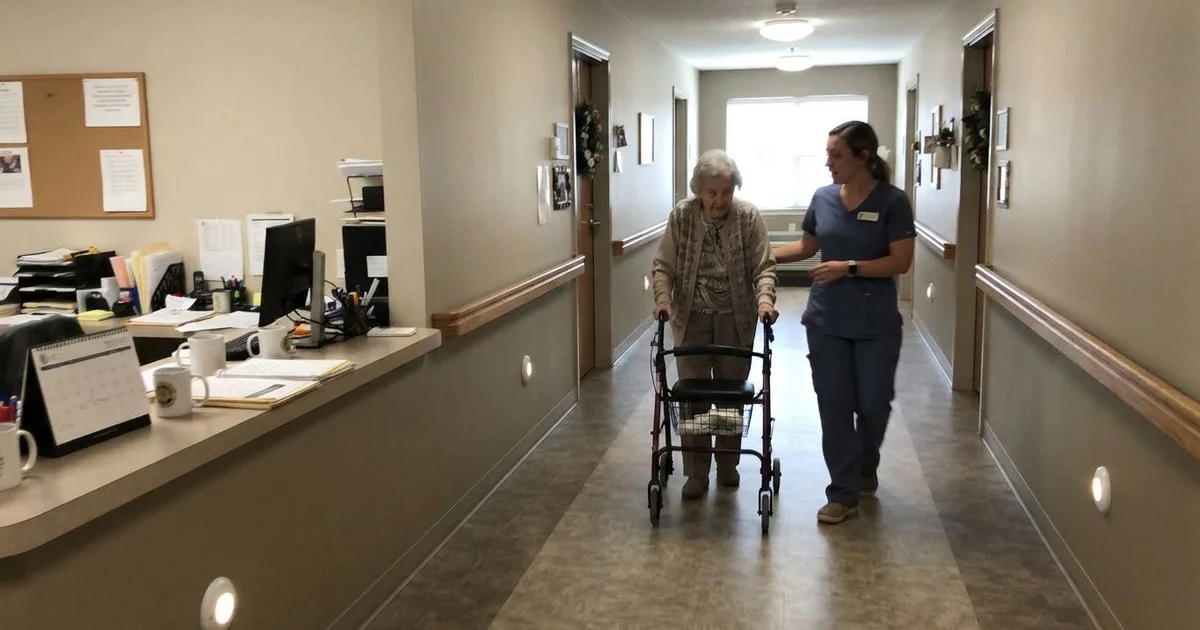
Falls are one of the most common and most serious safety concerns in senior care, and they’re a major factor behind why hands-on supervision and a well-designed physical environment matter so much in choosing a facility. This is general safety information, not medical advice; a physician can assess an individual’s specific fall risk factors.
Why fall risk rises with age
A combination of factors makes falls both more likely and more consequential for older adults: reduced muscle strength and balance, vision changes, medication side effects like dizziness, and slower reaction time. The consequences also tend to be more serious, with a fall sometimes triggering a downward spiral of reduced mobility, fear of moving, and further deconditioning, on top of the immediate injury itself.
Certain conditions raise the risk further. Residents recovering from a stroke, living with Parkinson’s disease, or managing arthritis often have a harder time with balance and gait. Cognitive impairment adds another layer, since a resident with dementia may not reliably remember to use a walker or call for help before getting up. A strong facility doesn’t treat fall risk as a single category; it tailors the level of supervision and support to each resident’s specific combination of factors.
What a strong fall prevention program includes
- Physical environment. Grab bars in bathrooms and showers, non-slip flooring especially in wet areas, adequate lighting throughout, clear walkways free of clutter or loose rugs, and handrails along hallways and stairs.
- Individual risk assessment. New residents should be evaluated for fall risk factors at intake, considering mobility, medication, vision, and history of prior falls, with the assessment repeated periodically or after any fall.
- Staff response and monitoring. Staff trained to recognize mobility changes, respond quickly to call bells, and check in more frequently with higher-risk residents.
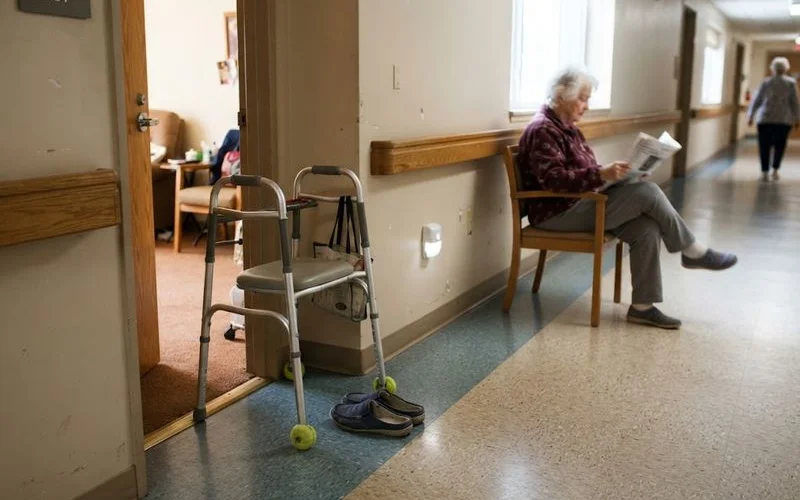
- Footwear and mobility aid support. Encouragement and assistance with proper, well-fitting footwear, and support using canes, walkers, or wheelchairs correctly and consistently.
- Medication review. Regular review of medications that can affect balance or cause dizziness, ideally coordinated between the facility and the resident’s physician.
What to check on a tour
| Area | What to look for |
|---|---|
| Bathrooms | Grab bars near toilet and shower, non-slip mats or flooring |
| Hallways | Handrails, even and unobstructed flooring, adequate lighting |
| Common areas | Furniture arranged to avoid tight, awkward pathways |
| Outdoor spaces | Even walking surfaces, handrails on ramps or steps |
| Staff response | How quickly staff respond to a test call bell, if you can observe or ask about response times |
Questions to ask directly
- How do you assess fall risk when a resident moves in, and how often is it reassessed?
- What’s your protocol immediately after a fall, and how are families notified?
- Do you track fall incidents over time, and has that data led to any environmental or staffing changes?
- How is staff trained specifically on fall prevention and safe transfer techniques?
A facility that answers these with specific procedures, rather than a general reassurance that “we’re very safety-focused,” is usually one that treats fall prevention as an active program rather than an afterthought.
What families can do too
Fall prevention isn’t solely the facility’s responsibility. Keeping a resident’s physician informed about any near-falls or balance changes, making sure eyeglasses and hearing aids are current and worn, and advocating for a physical therapy evaluation if mobility seems to be declining are all things family members can actively support alongside the facility’s own program.
Choosing a facility with this in mind
Our assisted living facilities in Charlotte hub lists local options, and fall prevention is worth adding to your standard list of tour questions regardless of which facility you’re considering. For more on how we evaluate and score facilities in this directory, see our methodology, and browse the full site from our home page.
FAQ
- Why are falls such a big concern for older adults specifically?
- Falls are a leading cause of injury among older adults, and recovery is often slower and more complicated than it would be for a younger person, sometimes leading to a significant decline in independence afterward.
- What physical features reduce fall risk in a facility?
- Grab bars in bathrooms, non-slip flooring, adequate lighting, clear and uncluttered walkways, and handrails in hallways are all standard features worth checking for during a tour.
- Does every resident get a fall risk assessment?
- Reputable facilities typically assess fall risk as part of the intake process and periodically afterward, especially after any fall or a change in mobility, medication, or health status.
- What should I do if my loved one falls at a facility?
- Ask the facility for their specific incident report and follow-up plan. A well-run facility should document the fall, evaluate what contributed to it, and adjust care or the environment to reduce the risk of it happening again.